What EHOs Are Looking For with Cooking Oil
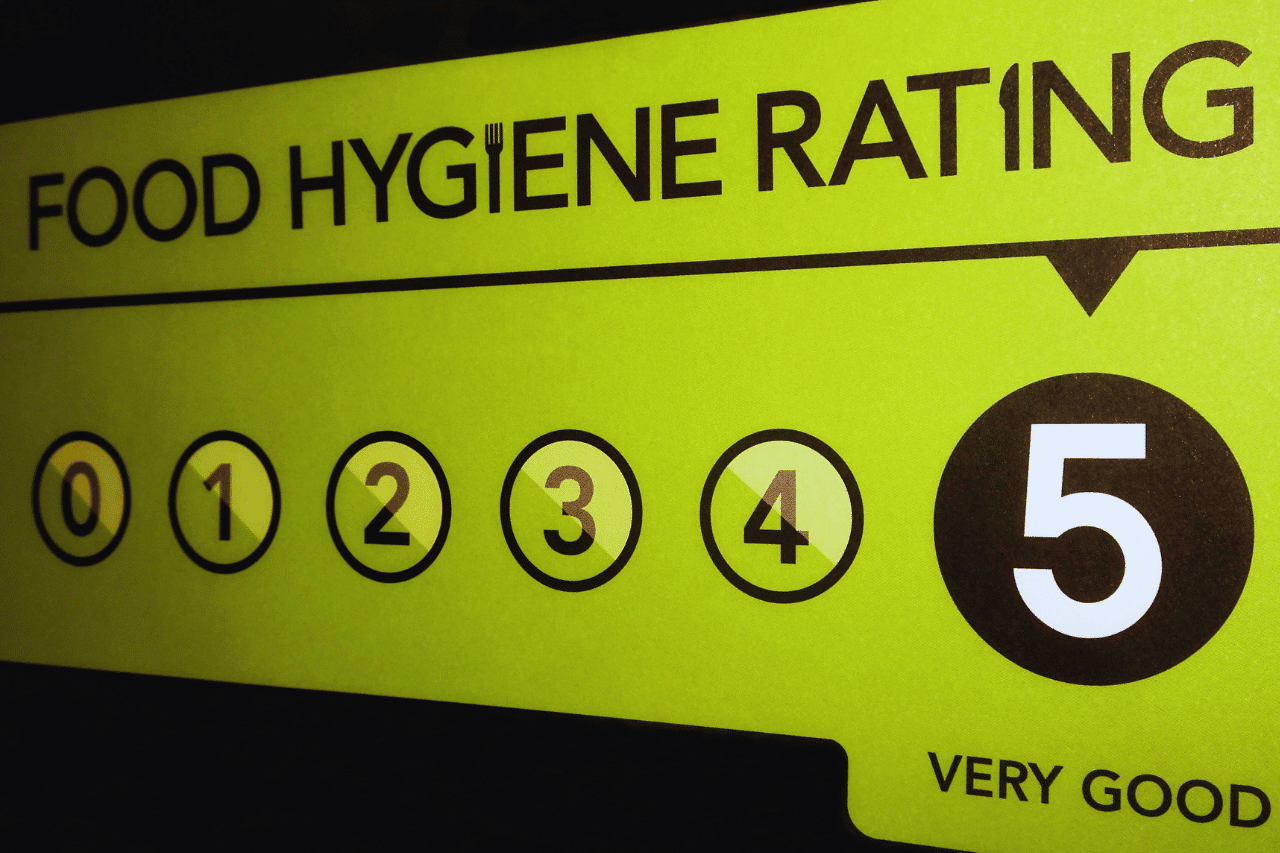
Environmental Health Officers (EHOs) inspect food businesses against a comprehensive set of criteria. Waste management — including used cooking oil disposal — forms part of that assessment and can directly affect your Food Hygiene Rating.
An EHO visiting your premises may ask to see:
- Proof that you're using a licensed waste carrier (their Environment Agency licence number)
- Waste Transfer Notes (WTNs) for recent collections, on file and accessible
- Storage containers that are sealed, clearly labelled, and in good condition
- Evidence that oil is not being disposed of via drains or general waste
- Your waste management records going back at least two years
None of this is difficult to achieve — but being caught without it on the day of an inspection is entirely avoidable.
Your Legal Obligations at a Glance
Used cooking oil is classified as a controlled waste under the Environmental Protection Act 1990. That classification carries specific obligations for every food business:
Duty of care: You are responsible for ensuring your waste is handled correctly from the moment it leaves your fryer until it reaches a licensed facility. This duty doesn't end when a collector takes it away — it depends on whether that collector is properly licensed.
Licensed collector only: You must only use a waste carrier registered with the Environment Agency. Always ask for and verify the licence number. Bio UK Fuels holds licence CBDU199369 and environmental permit EPR/GP3623PJ — both searchable on the EA public register.
Waste Transfer Notes: A completed WTN must be issued at every collection and retained by your business for a minimum of two years. WTNs record the waste type, quantity, your details, and the collector's details.
Secure storage: Oil must be stored in purpose-built, sealed containers, away from drains and watercourses. Containers must be clearly labelled as waste cooking oil.
Failing to meet these obligations can result in fixed penalty notices, prosecution under the Environmental Protection Act, and a downgraded Food Hygiene Rating.
Building an Audit-Ready Waste File
The simplest way to pass an EHO inspection on waste management is to maintain a dedicated waste file — a physical folder or digital record kept in the office or manager's station.
Your waste file should contain:
1. Collector details
- Company name and contact number
- Environment Agency waste carrier licence number
- Copy of the service agreement or contract
2. Waste Transfer Notes
- All WTNs from the past two years, in date order
- Each WTN should show: date, waste type (used cooking oil/EWC code), approximate quantity, your business details, and the collector's details
3. Container records
- A note of container locations on your premises
- Record of any container issues or replacements
Bio UK Fuels provides fully completed, legally compliant WTNs at every collection. All the documentation you need to pass an EHO inspection comes as standard when you use our service.
Common Compliance Failures and How to Avoid Them
In 18 years of commercial oil collection, we've seen the same compliance failures come up time and again.
No WTNs on file: The most common issue. Many businesses use a collector but never receive — or never keep — WTNs. If your current collector doesn't provide them, change collector.
Unverified collector: Some businesses hand oil to individuals who claim to be collectors without checking their licence. Without a valid EA registration, you remain liable for the waste.
Leaking or unlabelled containers: Containers that have deteriorated or that aren't clearly marked as waste cooking oil will attract attention from an inspector.
Oil mixed with general waste: Even occasional disposal of small quantities in general waste bins is a breach of duty of care.
No container near drains: Containers positioned where any spillage could reach a drain or watercourse create an environmental risk and a compliance exposure.
All of these are avoidable with the right contractor and a basic waste management routine.
Setting Up Compliant Collection Before Your Next Inspection
If you're not currently using a fully licensed collector, or you're not confident your documentation is in order, now is the time to act — not the day before an EHO visit.
Call Bio UK Fuels on 01709 373248 and we'll have you set up with:
- Licensed, free collection on an agreed schedule
- Purpose-built, sealed containers at no charge
- Fully completed Waste Transfer Notes at every collection
- Our EA licence number (CBDU199369) on file for your records
Most customers are up and running within a few working days of first contact. We cover England and Wales.
Frequently Asked Questions

Written by
Martin SimpkinsCo-founder of Bio UK Fuels in 2008. With 18 years in the industry, Martin helps commercial kitchens recycle used cooking oil legally and turn it into biodiesel.
More articles by Martin →Need your used cooking oil collected?
Free collection across England & Wales, and we pay you for 100 litres or more. Full Duty of Care paperwork every time.