
What each food hygiene rating means
The Food Hygiene Rating Scheme covers restaurants, pubs, cafés, takeaways, hotels, schools, hospitals, care homes and food shops in England, Wales and Northern Ireland. Your local council gives you a rating after each inspection, and it is published online for anyone to see.
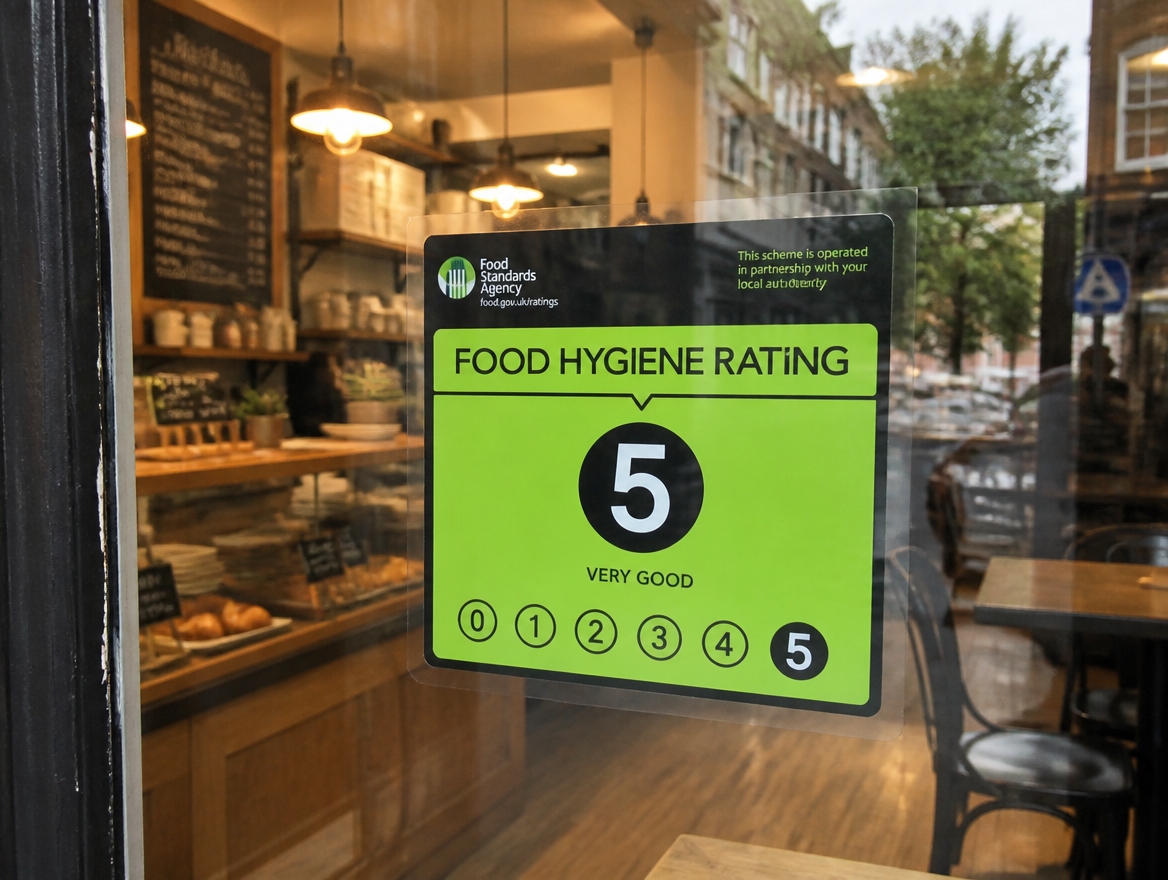
- 5: hygiene standards are very good
- 4: hygiene standards are good
- 3: hygiene standards are generally satisfactory
- 2: some improvement is necessary
- 1: major improvement is necessary
- 0: urgent improvement is necessary
Scotland uses a different scheme, the Food Hygiene Information Scheme, where businesses get a "pass" or "improvement required" instead of a number.
What a food hygiene rating of 0 or 1 means for your business
A 0 or 1 is a serious result. It means the officer found problems that need fixing quickly, and they will usually come back to check. In the worst cases, councils can close premises that pose an immediate risk to health.
It's also bad for trade. Ratings are public on the Food Standards Agency website and on delivery apps, and customers check them. A low score can cost you business long after you've fixed the problem.
The good news is that most low ratings come down to a handful of fixable issues: cleaning, records, pest control and training. The rest of this guide covers what officers look at and how to put it right.
The three things an inspector scores
Every inspection scores the same three areas.
- Food handling: how you prepare, cook, reheat, cool and store food.
- The physical condition of your premises: cleanliness, layout, lighting, ventilation, pest control and other facilities.
- Food safety management: the processes, training and records that show you'll keep standards up in future.
A poor score in any one of these can stop you getting a 5, even if the other two are good. That's why kitchens with spotless food prep still end up with a 3: the paperwork or the back yard lets them down.
Where used cooking oil affects your rating
I've been collecting oil from commercial kitchens since 2008, and the oil is often where small problems hide. It touches two of the three scored areas.
### The condition of your premises
Leaking drums, spilt oil around the back door and greasy floors are all cleanliness issues. Old oil left standing attracts rats, flies and cockroaches, which is a pest control problem. Officers will also notice grease build-up on canopies, filters and extraction, which falls under ventilation.
Pouring oil or fat down the sink causes blocked drains, bad smells and backed-up waste. That's a hygiene problem as well as a legal one.
### How you manage food safety
Officers want to see that you have systems, not just good intentions. For oil, that means: - a cleaning schedule that covers fryers, filters and the area where waste oil is stored - a set routine for changing and disposing of fryer oil - waste transfer notes showing your oil goes to a licensed collector
A folder of waste transfer notes, in date order, is one of the easiest ways to show an officer your kitchen is well run. Read our guide to waste transfer notes for used cooking oil.
How to get a 5 star food hygiene rating
These are the steps that make the biggest difference.
- Use a food safety management system and keep it up to date. Most small kitchens use the Food Standards Agency's free Safer Food, Better Business pack. Fill in the daily diary, not just the front pages.
- Train your staff and keep records of it. Officers often ask staff questions directly.
- Keep temperature records for fridges, freezers, cooking and hot holding.
- Follow a written cleaning schedule, including behind and under equipment, extraction filters and bin and oil storage areas.
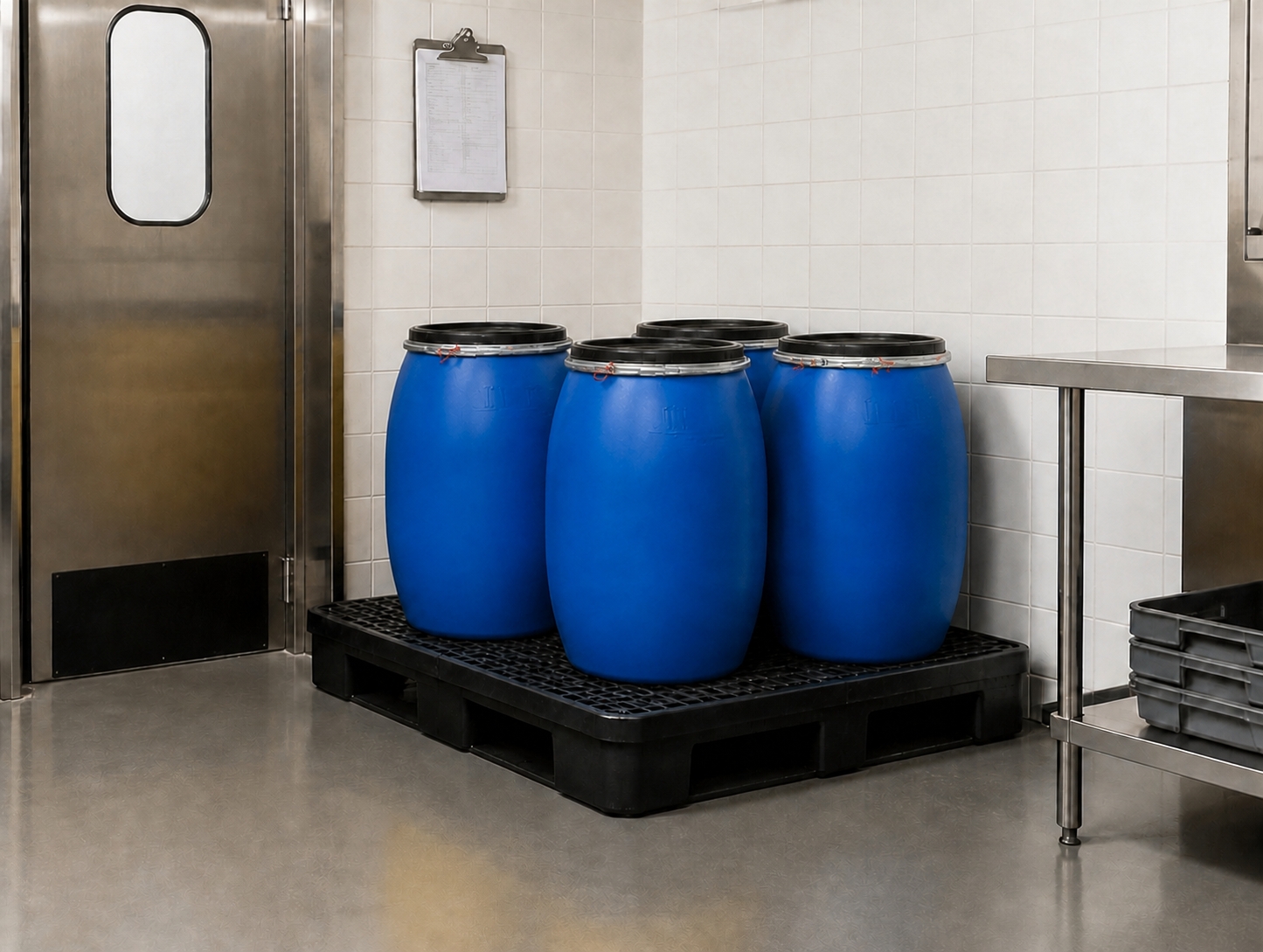
- Store used cooking oil in sealed containers, off the floor where you can, away from food prep and protected from pests.
- Never pour oil, fat or grease down the drain.
- Use a licensed waste carrier for your oil, and keep every waste transfer note for at least 2 years.
- Fix small repairs quickly. Cracked tiles, broken seals and damaged walls are hard to clean and get noticed.
- Keep pest control records, whether you use a contractor or do your own checks.
- Manage allergens properly, with clear information for customers and procedures in the kitchen.
For a fuller walk-through of what officers check on the day, see our guide to preparing for an EHO visit.
Do you have to display your food hygiene rating?
It depends where you are.
- Wales and Northern Ireland: displaying your rating sticker is a legal requirement. In Wales, takeaways must also include a statement about their rating on menus and leaflets.
- England: displaying your rating is currently voluntary, but your rating is still published online.
The Food Standards Agency is working on proposals to make display mandatory in England too, with a public consultation planned for 2027. If you have a 5, there's no reason to wait. Put the sticker in the window and on your website.
Unhappy with your rating? Appeal, reply or ask for a re-rating
You have three options if you think your rating is wrong or you've since made improvements.
- Appeal: if you think the rating doesn't reflect your standards at the time of inspection. If you appeal within 21 days of getting your rating, the council won't publish it online until the appeal is decided. You'll get a decision within 21 days of appealing.
- Right to reply: you can write a response at any time, explaining what you've done since. It is published next to your rating.
- Re-rating: once you've made improvements, you can ask the council for a new inspection. You'll need to show what you've changed. Most councils charge a fee, and your rating can go up, down or stay the same.
The details of how to do each are on the letter that came with your rating. You can also read the government guide to appealing, explaining or improving your rating.
Make your oil one less thing to worry about
Getting a 5 is mostly about consistent routines. Used cooking oil is one of the easiest to sort out: sealed containers, regular collections and the right paperwork.
Bio UK Fuels collects used cooking oil from commercial kitchens across England and Wales. Collection is free, every collection comes with a waste transfer note, and we pay rebates on 100 litres or more. Book a collection or see what your oil is worth.
Frequently asked questions
Filed under:Cooking Oil Disposal

Written by
Martin SimpkinsCo-founder of Bio UK Fuels in 2008. With 18 years in the industry, Martin helps commercial kitchens recycle used cooking oil legally and turn it into biodiesel.
More articles by Martin →Need your used cooking oil collected?
Free collection across England & Wales, and we pay you for 100 litres or more. Full Duty of Care paperwork every time.