Why used cooking oil theft is rising
Used cooking oil isn't rubbish. It's a commodity. About 70% of the biodiesel produced in the UK is made from it, and the industry pays restaurants around 30p a litre for their oil (BBC, February 2026). That value is exactly what makes it a target.
In 2026, rising fuel prices have pushed the problem further. In March, two men took five large drums of used cooking oil from behind a restaurant in Guildford at 1.30am, and it's believed they used it as vehicle fuel (Need to Know, March 2026). Since then:
- April 2026: two people were arrested over a spate of used cooking oil thefts in York, after police stopped a van with stolen oil inside (BBC via AOL).
- June 2026: three men from Tottenham in London were arrested in Thanet, Kent, and several containers of suspected stolen oil were seized (Kent Police).
It isn't just a local problem. Police Scotland recorded 178 cooking oil thefts in seven months, and thefts are estimated to cost the Treasury £25 million a year in lost fuel duty (BBC). Gangs travel long distances to do it: the men arrested in Kent had come from London.
How oil thieves operate
From what our customers report, and what police forces have described, most thefts follow a few patterns.
Night raids on drums left outside
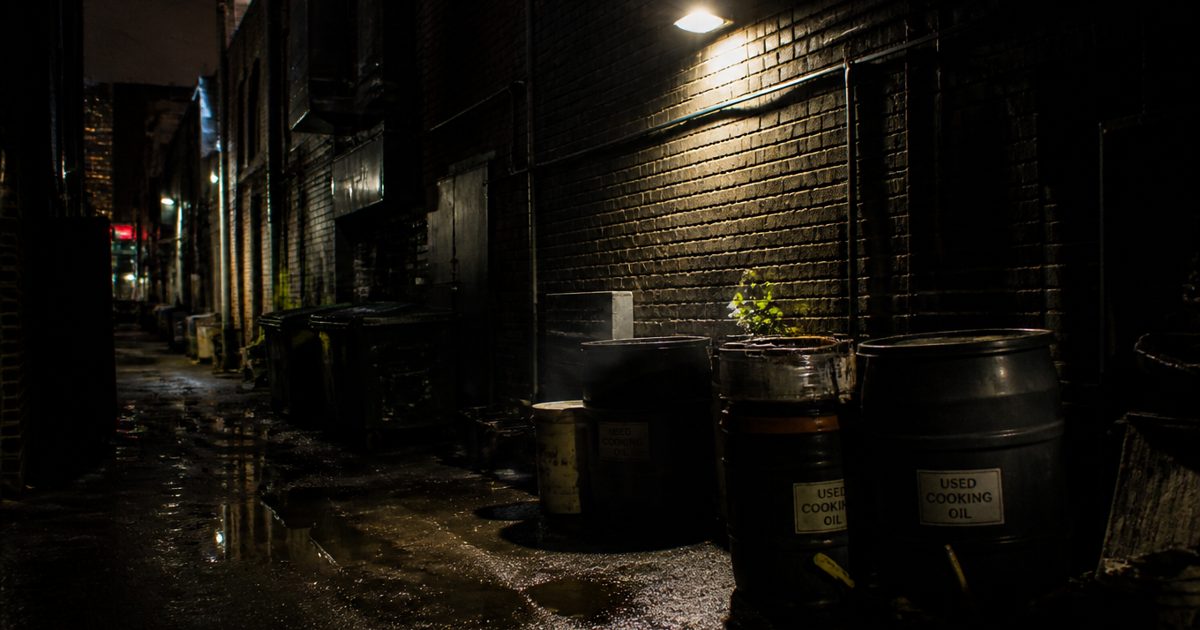
The most common target is drums or containers left in a yard, alley or car park behind the kitchen. Thieves arrive late at night, often in a van, and take full drums or siphon the oil out. It takes minutes.
Fake collectors
Some thieves don't sneak in at all. Police Scotland has warned that thieves present themselves as a legitimate company and show false identification, so staff assume it's a normal collection (Press and Journal). These thefts can happen in broad daylight.
Swapping drums
Where oil is kept in loose drums, thieves can swap full ones for empty ones, so the theft isn't noticed until collection day.
Repeat visits
Once a site has been hit, it often gets hit again. The National Federation of Fish Friers has said some shops are targeted repeatedly, with thieves working several premises in one night (BBC).
What oil theft costs your business
It's easy to shrug off stolen waste. But theft costs you in more ways than one.
- Lost income. Bio UK Fuels pays a rebate from 100 litres upwards. Every stolen drum is money that should have come to you.
- Mess and risk. Thieves rarely tidy up. Spilt oil in a yard is a slip hazard, attracts pests and can wash into drains.
- Your duty of care. You're legally responsible for making sure your waste goes to a licensed carrier. If a fake collector talks staff into handing oil over, you've given your waste to an unlicensed person and have no waste transfer note to show for it. Read more about waste transfer notes for used cooking oil.
- Gaps in the record. Since October 2026, permitted sites like ours have reported every load they receive to the government's digital waste tracking service. Stolen oil disappears from that trail, and over time that makes theft easier to spot.
We've seen the impact first-hand. One of our customers, a restaurant in Lincoln, had its oil stolen repeatedly when it first joined us. Working together, we sorted the problem, and in their words it's now a "very smooth operation".
How to protect your used cooking oil
Police advice is to store used oil in a secure, well-lit location and use CCTV where possible (Police Scotland via BBC). In practice, that means:
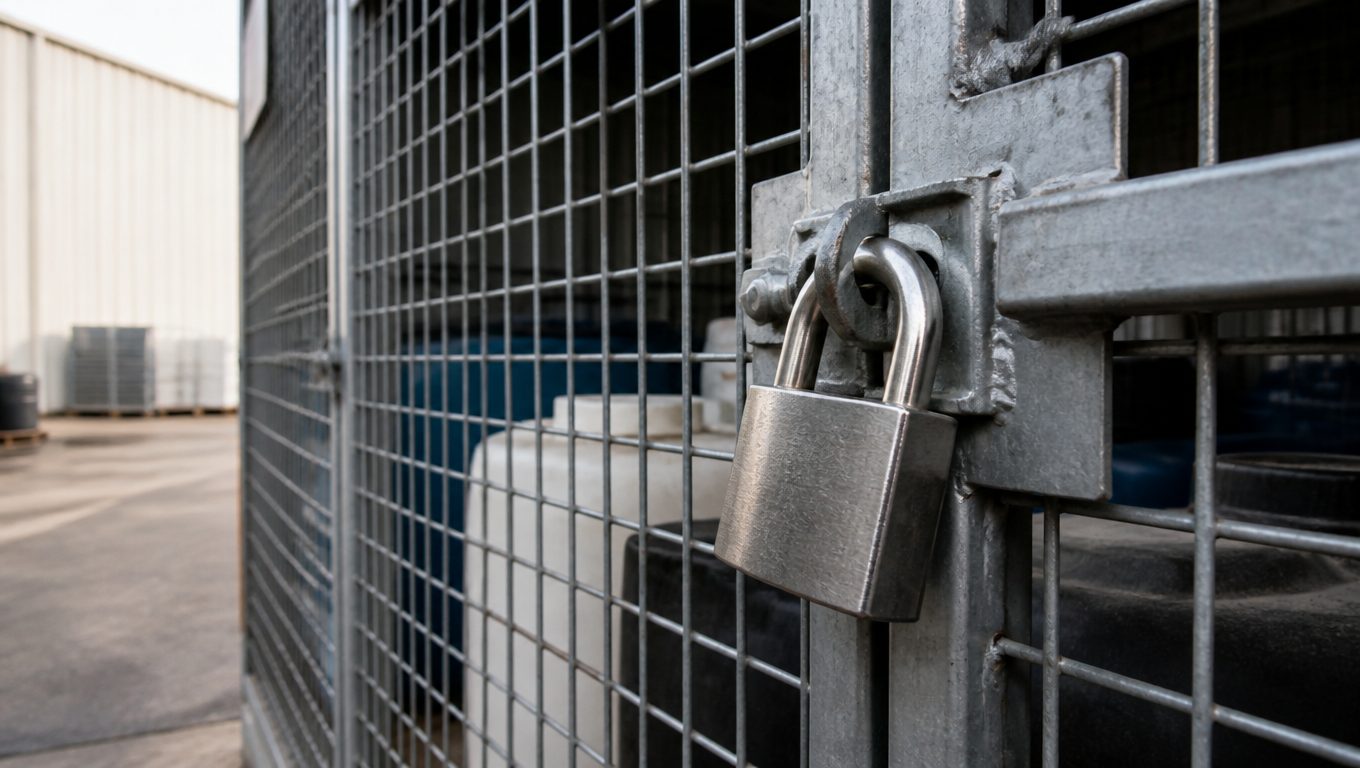
- Lock it away. Keep containers in a locked cage, compound, store room or outbuilding, not loose in a yard or alley.
- Keep it out of sight. Drums visible from the street advertise themselves.
- Light it up. Motion-sensor lighting over the storage area puts off night-time visits.
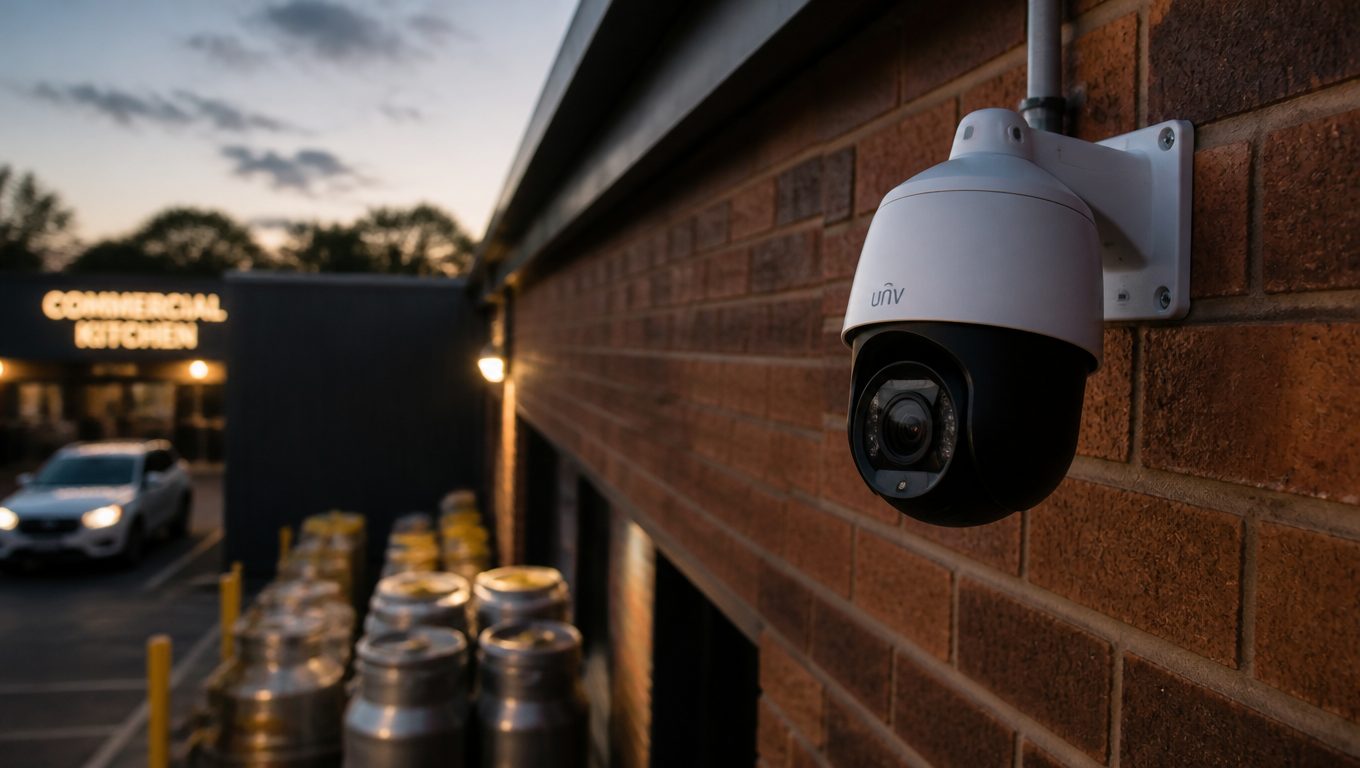
- Add CCTV. Cameras deter thieves and help police identify them if they strike.
- Use a lockable tank rather than open drums. A fixed tank can't be swapped or carried off, and it's obvious if the level drops.
- Keep volumes low. Regular collections mean less oil sitting outside. A full yard of drums is a bigger prize.
- Never leave oil out overnight before a collection. Bring it in, and put it out when the collector arrives.
- Keep a simple log of how much oil you produce, so you notice if some goes missing.
- Brief your staff. Tell them who your collector is, when to expect them, and to call you if anyone else turns up.
For the safety side of storage, from containers to cooling and spills, see our guide on how to store used cooking oil.
How to spot a fake oil collector
A genuine collector:
- comes when you've arranged it, on your agreed schedule
- holds a waste carrier licence you can check on the Environment Agency public register
- leaves a waste transfer note every time
- can tell you who they work for, and the company will confirm it if you call
Warning signs:
- an unannounced visit, or someone saying your usual collector has "sent them"
- an offer of cash for your oil
- no paperwork, or reluctance to give a waste transfer note
- an unmarked van, or pressure to hand oil over quickly
If someone turns up claiming to be from Bio UK Fuels and you're not expecting them, call us on 01709 373248 before they take anything. Our own drivers collect in Bio UK Fuels vehicles and leave a waste transfer note at every collection. Our licence number is CBDU199369.
What to do if your oil is stolen
- Don't confront anyone. Your safety comes first.
- If it's happening now, call 999. Otherwise, report it on 101 or through your police force's online form.
- Save any CCTV footage and note the time, date and any vehicle details.
- Tell your oil collector, so they can adjust your collections and storage.
- Warn neighbouring businesses. Thieves often hit several premises in one area.
Report every theft, however small. As North Yorkshire Police put it, even a single unreported theft can lead to further issues for other businesses (BBC via AOL).
How Bio UK Fuels can help
If you've had oil stolen, or you're worried about it, talk to us. We'll look at your setup with you, from where your containers are kept to how often we collect, so less oil is left sitting outside. Collection is free from 60 litres, with a rebate from 100 litres upwards, anywhere in England and Wales.
Arrange a free used cooking oil collection or see what your oil is worth.
Frequently asked questions
Sources
- BBC (via AOL), 12 Feb 2026: 178 thefts in Scotland Apr-Oct 2025, £25m lost duty, 70% of UK biodiesel from UCO, ~30p a litre, NFFF repeat targeting, Police Scotland advice
- Need to Know, 19 Mar 2026: Guildford restaurant, five drums taken at 1.30am on 11 March, believed used as vehicle fuel
- BBC (via AOL), 10 Apr 2026: York arrests, North Yorkshire Police quote
- Kent Police, 9 Jun 2026: three men from Tottenham arrested in Thanet
- Press and Journal: Police Scotland on thieves posing as legitimate companies with false ID
Filed under:Cooking Oil Tips

Written by
Martin SimpkinsCo-founder of Bio UK Fuels in 2008. With 18 years in the industry, Martin helps commercial kitchens recycle used cooking oil legally and turn it into biodiesel.
More articles by Martin →Need your used cooking oil collected?
Free collection across England & Wales, and we pay you for 100 litres or more. Full Duty of Care paperwork every time.